
Losing the Mucus Plug: Everything You Need to Know
Losing your mucus plug is one of the most common signs that your body is preparing for labour. For many pregnant women, it’s an exciting moment — but it doesn’t always mean labour will start immediately. This guide explains what the mucus plug is, how to recognize it, what it means when you lose it, and when to contact your healthcare provider.
—
What Is the Mucus Plug?
The mucus plug is a thick, jelly‑like substance that sits inside the cervix during pregnancy.
Its main purpose is to:
- Seal the cervix
- Protect your baby from bacteria and infections
Think of it as a natural protective barrier that keeps the uterus safe throughout pregnancy.
—
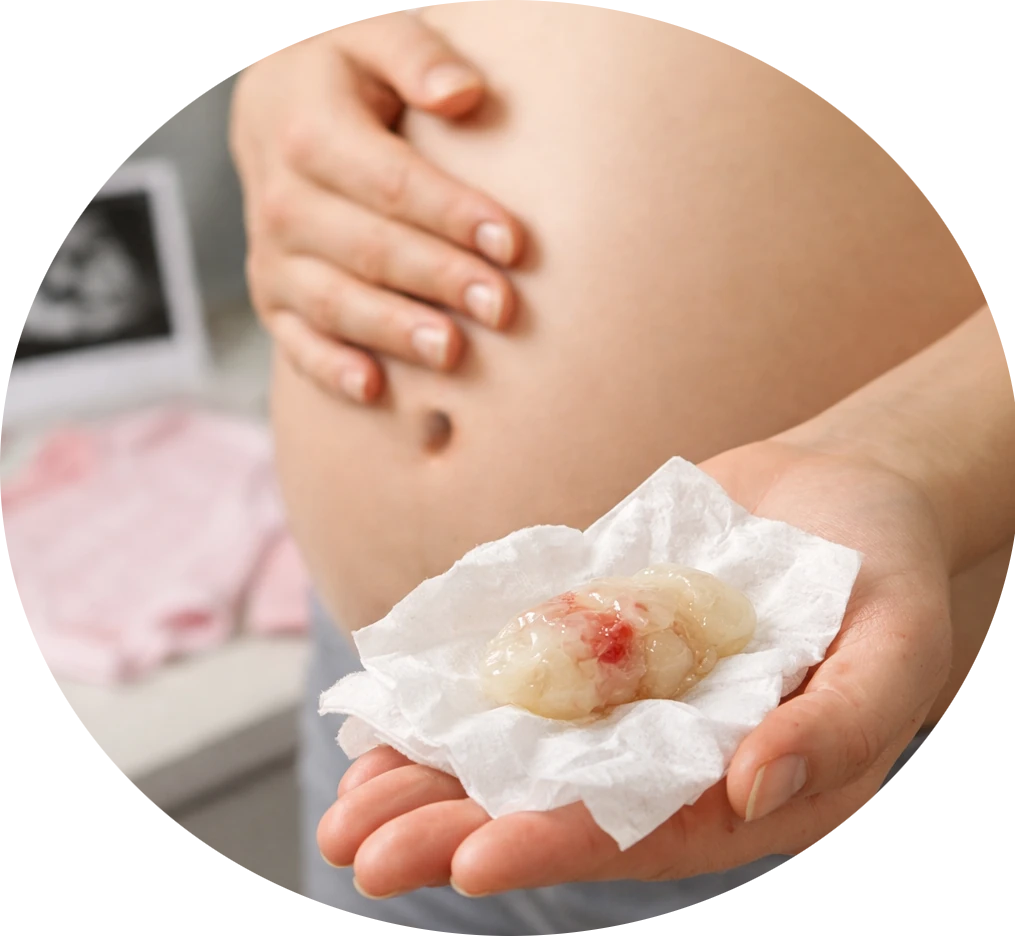
What Does the Mucus Plug Look Like?
The appearance can vary from person to person, but it is usually:
- Thick and gelatinous
- Clear, white, yellowish, or brownish
- Sometimes streaked with pink, red, or brown blood
Blood‑tinged mucus is often called a “bloody show”, and it’s a normal sign that the cervix is changing.
—
When Do You Lose the Mucus Plug?
There is no exact timing — it can happen:
✔ Weeks before labour
Some women lose it around 37 weeks or earlier.
✔ Days before labour
This is the most common scenario.
✔ During labour
You may not notice it at all if it comes out while contractions begin.
—
Does Losing the Mucus Plug Mean Labour Has Started?
Not necessarily.
Losing the mucus plug means your cervix is softening and preparing for labour, but:
- Labour may start within hours
- Labour may start within days
- Labour may still be a week or more away
It’s a sign of progress — but not a precise countdown.
—
Can You Lose the Mucus Plug More Than Once?
Yes.
The mucus plug can regenerate, so you may notice more mucus later on. This is completely normal.
—
What Causes the Mucus Plug to Come Out?
Common reasons include:
- Cervical softening
- Early dilation
- Pressure from the baby
- Sexual intercourse (increased blood flow can release mucus)
—
How Do You Know It’s Really the Mucus Plug?
You can usually tell by:
- The thick, stretchy texture
- The larger amount compared to normal discharge
- Possible blood streaks
- It often comes out all at once or in large clumps
Normal discharge is thinner and more continuous.
—
What Should You Do When You Lose the Mucus Plug?
In most cases: nothing.
It’s a normal part of late pregnancy.
However, pay attention to other signs of labour such as:
- Regular contractions
- Lower back pressure
- Waters breaking
- Increased pelvic pressure
—
When Should You Contact Your Healthcare Provider?
Call your midwife or doctor if:
- You have bright red bleeding (like a period)
- You think your waters have broken
- Your baby’s movements decrease
- You lose the mucus plug before 37 weeks
- You feel worried or unsure
—
Mucus Plug vs. Water Breaking: The Difference
Many women confuse the two. Here’s how to tell:
Mucus Plug
- Thick, sticky, jelly‑like
- May contain blood
- Comes out in clumps
- No strong smell
Water Breaking
- Clear, watery fluid
- May gush or trickle continuously
- Warm sensation
- Often unmistakable
If you’re unsure, always call your provider.
—
Is Losing the Mucus Plug Painful?
No.
Most women don’t feel anything. You may only notice it when wiping or using the toilet.
—
Frequently Asked Questions
Can sex cause the mucus plug to come out?
Yes, increased blood flow can loosen mucus.
Should I keep the mucus plug?
No, there’s no need.
Can I continue normal activities?
Yes — unless you have other symptoms or your provider advises otherwise.
—
Conclusion
Losing your mucus plug is a normal and healthy sign that your body is preparing for labour.
It doesn’t mean labour will start right away, but it does mean your cervix is changing and your baby is getting ready.
Always listen to your body, watch for other labour signs, and contact your healthcare provider if you’re unsure or concerned.
This article is for informational purposes only and should not be considered medical advice. Always consult your midwife, doctor, or healthcare provider if you have concerns during pregnancy or if you are unsure about any symptoms.